
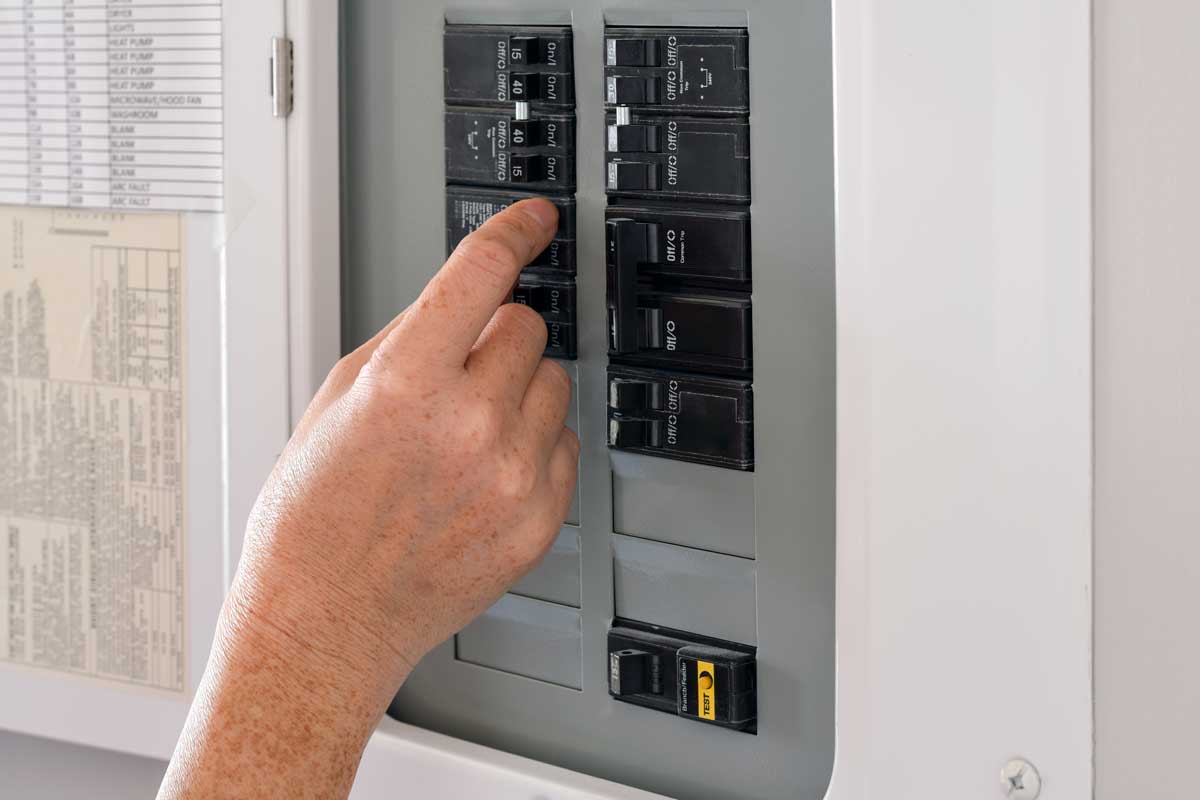
What Causes Circuit Breakers to Trip Repeatedly?
A tripped circuit breaker is one of the most common electrical issues homeowners experience, but that doesn’t mean it should be ignored. While an occasional trip may simply indicate a temporary overload, repeated breaker problems often point to larger electrical concerns that need attention.
A breaker that keeps tripping can be frustrating, especially during periods of heavy electrical use. From overloaded circuits to aging electrical panels, several underlying issues can cause breakers to shut off repeatedly.
Understanding why breakers trip, what warning signs to watch for, and when to call a professional can help protect your home, your appliances, and your electrical system.
What Does a Circuit Breaker Do?
A circuit breaker is designed to protect your home’s electrical system. When a circuit draws more power than it can safely handle, the breaker automatically shuts off electricity to prevent overheating, wiring damage, or electrical fires.
In simple terms, breakers are safety devices. They trip because something in the system is no longer operating safely. Common causes include:
- Overloaded circuits
- Short circuits
- Ground faults
- Aging or failing breakers
- Electrical panel limitations
While resetting the breaker may restore power temporarily, repeated trips usually indicate an issue that needs to be addressed.
Overloaded Circuits Are One of the Most Common Causes of a Tripped Breaker
Modern homes use significantly more electricity than homes built decades ago. Between appliances, electronics, HVAC systems, and charging devices, many circuits are constantly under demand.
An overload happens when too many devices operate on the same circuit at once. This often occurs when:
- Space heaters run alongside other appliances
- Kitchen appliances share small appliance circuits
- Window AC units draw sustained power
- Multiple high-demand devices operate simultaneously
When the electrical load exceeds the circuit’s capacity, the breaker trips to protect the wiring. If this happens regularly, your system may need dedicated circuits or electrical upgrades.
Older Electrical Panels May Struggle With Modern Demand
Many Minneapolis homes were built long before today’s electrical usage became standard. Older panels often weren’t designed to support the number of devices and appliances modern households rely on every day.
Common signs of aging or overloaded panels include:
- Frequent breaker trips
- Flickering lights
- Limited space for additional circuits
- Warm breakers or unusual buzzing sounds
- Inconsistent power throughout the home
In some cases, the issue isn’t the breaker itself, but the panel’s overall capacity. Electrical panel issues become more noticeable as homeowners add EV chargers, new appliances, home offices, HVAC upgrades, and outdoor electrical systems to their households.
A professional inspection can determine whether the panel is still adequate or if an upgrade is needed.
Short Circuits and Ground Faults Are Serious Issues
Not every breaker trip is caused by simple overload. Short circuits occur when hot wires contact neutral wires improperly, creating a sudden surge of electricity. Ground faults happen when electricity takes an unintended path to ground. These issues can be caused by:
- Damaged wiring
- Loose electrical connections
- Moisture intrusion
- Faulty outlets or appliances
Unlike temporary overloads, these problems may present immediate safety risks and should be evaluated quickly. Warning signs may include:
- Burning smells
- Scorch marks around outlets
- Sparks when plugging devices in
- Breakers tripping instantly after reset
If you notice any of these symptoms, stop using the affected circuit and contact a licensed electrician.
Seasonal Electrical Demand Can Push Circuits Beyond Their Capacity
In Minnesota, electrical demand changes dramatically throughout the year. Summer often increases strain on window air conditioners, fans, cooling systems, and outdoor electrical use. Winter, on the other hand, adds demand from space heaters, holiday lighting, and supplemental heating equipment.
These seasonal spikes can expose weaknesses in older systems that may otherwise seem functional during lower-demand months.
Faulty Appliances Can Also Cause Breaker Trips
Sometimes the problem isn’t the home’s wiring, it’s the appliance itself. A malfunctioning appliance may:
- Draw excessive current
- Create intermittent short circuits
- Cause breakers to trip only during operation
If a specific device consistently trips the circuit, unplugging it and testing the circuit separately can help identify the source of the problem. However, an electrical evaluation is still important to safely confirm the issue.
Why Repeated Breaker Resets Aren’t a Solution
Many homeowners treat breaker trips as a minor inconvenience and simply reset them repeatedly, but frequent resets don’t solve the underlying problem. Ignoring recurring trips can lead to:
- Damaged wiring over time
- Increased wear on breakers
- Reduced appliance lifespan
- Elevated fire risk
Breakers trip for a reason. If it’s happening consistently, the electrical system is signalling that something needs attention.
What If the Breaker Itself Is the Problem?
Circuit breakers don’t last forever. Over time, they can wear out or become less reliable. Signs of a failing breaker may include:
- Breakers that trip too easily
- Breakers that won’t stay reset
- Visible corrosion or heat damage
- Burning odors near the panel
In these situations, replacing the breaker may resolve the issue, but it’s still important to confirm there isn’t a larger electrical problem causing the failure.
How Can Professional Electrical Inspections Help?
Electrical systems are interconnected, which means breaker problems often involve more than one component.
A professional inspection evaluates:
- Circuit load and capacity
- Panel condition and age
- Wiring integrity
- Breaker performance
- Potential safety concerns
This approach helps identify whether the issue requires:
- A breaker replacement
- A dedicated circuit
- Electrical repairs
- A full panel upgrade
Addressing the root cause leads to safer and more reliable long-term performance.
6 Signs You Should Contact An Electrician
A tripping breaker may seem minor at first, but repeated electrical issues can escalate quickly if left unresolved. You should schedule an inspection if you notice:
- Frequent breaker trips
- Flickering or dimming lights
- Warm outlets or switches
- Burning smells
- Buzzing from the panel
- Power loss in specific rooms
These symptoms often indicate that your system is struggling to operate safely under current demand.
Schedule a Panel or Breaker Inspection Today
At Accredited Electric, we help homeowners identify the cause of recurring breaker problems and recommend solutions built for long-term safety and performance.
We can inspect your panel, evaluate circuit demand, and identify the safest solution for your home. Whether you need breaker replacement, dedicated circuits, or help addressing larger electrical panel issues, our team is here to help.
Schedule a panel or breaker inspection today! Call 763-355-5898 or contact us online.