
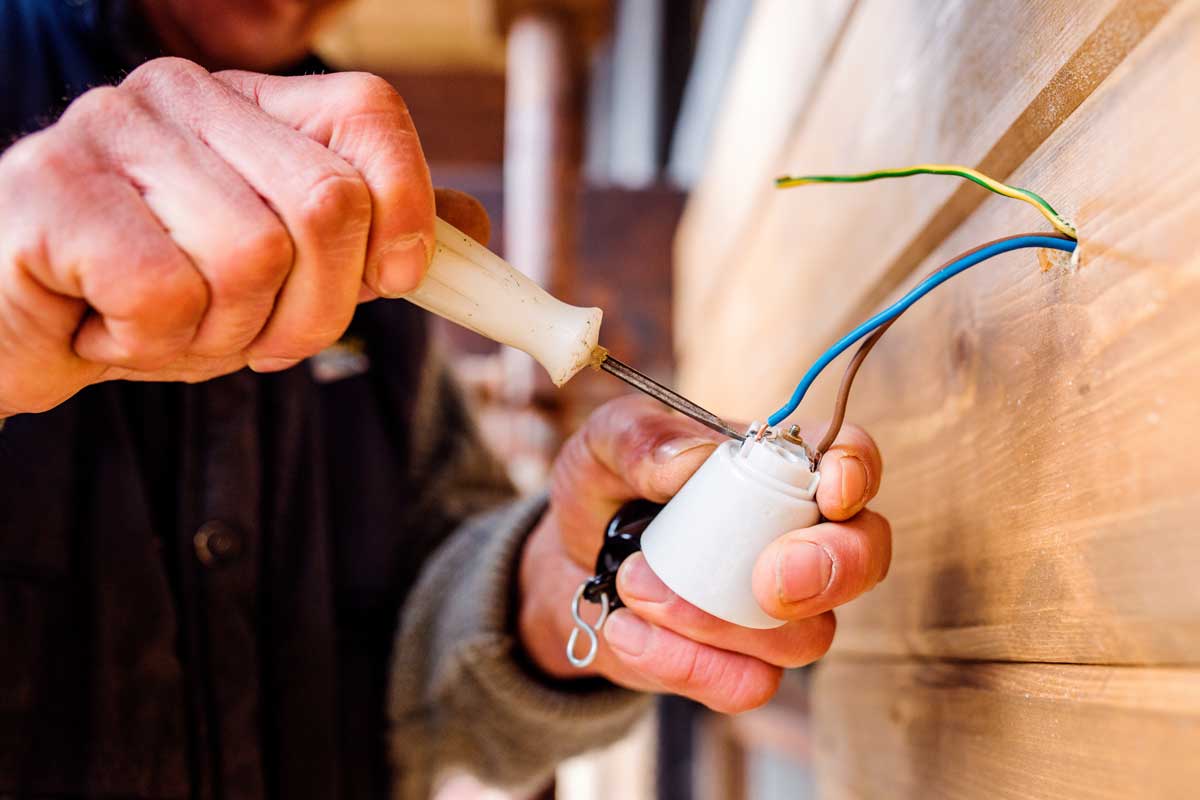
The Homeowner’s Guide to Daisy Chain, Pigtail, and Junction Wiring
Most homeowners rarely think about the wiring hidden behind their walls until something goes wrong. A flickering light, an outlet that suddenly stops working, or a breaker that trips repeatedly can all point to problems with the connections that keep your home’s electrical system running.
While wires carry electricity throughout your home, it’s the connections between those wires that often determine how safe, reliable, and efficient your electrical system will be. Whether you’re planning a renovation, updating an older home, or troubleshooting an electrical issue, understanding the most common residential wiring methods can help you make informed decisions.
In this guide, we’ll explain the differences between daisy chain wiring vs pigtail wiring, discuss the role of junction wiring, and explore why hiring a qualified electrician is essential for safe, code-compliant installations.
Why Are Wiring Connections Important?
A residential electrical system is made up of far more than cables and circuit breakers. Every switch, receptacle, light fixture, and junction box contains connections that allow electricity to move safely from one point to another.
When these connections are installed properly, they provide years of dependable performance. However, loose, damaged, or improperly made connections can create resistance, causing excess heat to build up over time. In some cases, this can lead to intermittent power, damaged electrical devices, nuisance breaker trips, or even fire hazards.
For this reason, electricians place just as much importance on how wires are connected as they do on the wiring itself.
Discover The Three Most Common Residential Wiring Methods
Although every home is different, most residential wiring methods fall into three general categories: daisy chain wiring, pigtail wiring, and junction wiring. Each serves a different purpose, and each has advantages depending on the application.
Daisy Chain Wiring
Daisy chain wiring is one of the most common methods used in residential construction. Rather than running a separate cable from the electrical panel to every outlet or switch, power travels from one device to the next along the same branch circuit.
For example, electricity may flow from the panel to one outlet, then continue to the next outlet, and then on to additional devices throughout the room.
This method has remained popular because it offers several practical advantages, including:
- Efficient use of wiring materials
- Fewer cable runs throughout the home
- Faster installation during new construction and remodels
- Reliable performance when installed correctly
Because multiple devices share the same circuit, each connection becomes an important part of the system. If a connection becomes loose or damaged, it may affect outlets or switches farther down the circuit. That doesn’t mean daisy chain wiring is unsafe, it simply highlights the importance of proper installation and periodic inspection when issues arise.
Pigtail Wiring
Pigtail wiring takes a slightly different approach. Instead of allowing electricity to pass directly through an outlet or switch, the incoming wire, outgoing wire, and a short section of wire, called a pigtail, are joined together with an approved wire connector. The pigtail then connects independently to the electrical device.
This creates a more isolated connection, meaning the receptacle itself is no longer responsible for carrying power to the rest of the circuit.
Many electricians choose pigtail wiring because it offers several practical benefits. If an outlet needs to be replaced, the remainder of the circuit can often remain energized because downstream devices are not dependent on that receptacle. Pigtail connections can also reduce mechanical stress on device terminals and simplify future maintenance.
Although pigtailing may require slightly more time during installation, many professionals consider it an excellent option in situations where long-term reliability and serviceability are priorities.
Junction Wiring
Junction wiring refers to wire connections that are made inside an approved electrical junction box rather than inside a switch or receptacle box.
These boxes allow electricians to safely splice wires when extending circuits, adding fixtures, or changing the direction of existing wiring. Every splice is protected inside an enclosed box, helping reduce the risk of accidental damage while keeping the connections accessible for future maintenance.
Junction wiring projects are common during:
- Home additions
- Basement finishing projects
- Kitchen and bathroom renovations
- Lighting upgrades
- Circuit extensions
Electrical codes require junction boxes to remain accessible, which is why they should never be hidden behind finished walls or ceilings.
Daisy Chain Wiring vs. Pigtail Wiring: Which Is Better?
When comparing daisy chain wiring vs pigtail wiring, homeowners are often surprised to learn that there isn’t a single “best” option.
Both wiring methods are widely accepted, code-compliant, and safe when installed correctly. The right choice depends on the design of the circuit and the goals of the installation.
Daisy chain wiring is efficient and has been successfully used in residential construction for decades. It minimizes wiring material while providing dependable power distribution throughout the home.
Pigtail wiring, meanwhile, offers additional flexibility during future repairs and maintenance because individual outlets are not responsible for carrying power to downstream devices. For this reason, many electricians prefer pigtailing in locations where receptacles may experience frequent replacement or heavy use.
Rather than one method replacing the other, experienced electricians choose the approach that best fits each application.
Why Do Professional Wiring Connections Matter?
Even the highest-quality wiring materials cannot compensate for poor workmanship. Every electrical connection must be mechanically secure, electrically sound, and installed according to current electrical code.
Professional electricians consider factors such as conductor size, circuit load, device ratings, and proper connector selection before making a single splice. They also inspect existing wiring for signs of deterioration that may not be visible to homeowners.
Working with an experienced wiring connections electrician helps ensure your electrical system remains safe, reliable, and capable of meeting your household’s electrical demands.
6 Signs Your Home May Have Wiring Connection Issues
Because wiring problems often develop gradually, homeowners may notice subtle warning signs before a complete failure occurs.
Common indicators include:
- Flickering or dimming lights
- Intermittent power at outlets
- Warm outlets or switches
- Buzzing sounds from electrical devices
- Frequently tripped breakers
- Burning odors near electrical boxes
These symptoms do not always indicate a serious hazard, but they should never be ignored. Prompt evaluation by a licensed electrician can often identify the source of the problem before it leads to more extensive repairs.
When Should You Schedule a Wiring Inspection?
Many electrical issues remain hidden behind finished walls, making professional inspections especially valuable.
A residential wiring inspection is worth considering if:
- You’re renovating or adding onto your home.
- Your home is several decades old and still has much of its original wiring.
- You’ve noticed recurring electrical problems.
- You’re replacing multiple outlets or switches.
- You’re purchasing an older home.
An inspection allows an electrician to evaluate existing connections, identify potential safety concerns, and recommend improvements before problems become more costly.
Trust Accredited Electric With Your Home’s Wiring
Whether you’re upgrading an older electrical system, troubleshooting an intermittent issue, or planning a renovation, properly installed wiring connections are essential for long-term safety and reliability.
If you’re experiencing electrical issues or simply want peace of mind, contact Accredited Electric to schedule a wiring inspection or troubleshooting visit. Our team will help ensure your home’s electrical system is safe, reliable, and ready to meet your family’s needs.


