
A Homeowner’s Guide to Modern Electrical Wiring Systems
The electrical wiring inside your home can be really easy to overlook. Most of it is hidden behind walls, ceilings, and floors, so homeowners usually only think about wiring when an outlet stops working, a breaker trips, or they plan a renovation.
But the way a home is wired has a major impact on how safely and reliably its electrical system operates. Modern homes use wiring methods designed to handle today’s electrical demands, from lighting and appliances to computers, entertainment systems, EV chargers, and smart-home technology. Older homes, on the other hand, may still have wiring systems installed decades ago that were never designed for the number of electrical devices used today.
Understanding the different modern wiring methods Minneapolis homeowners may encounter can make it easier to recognize when an electrical system needs attention. It can also help you understand what an electrician is looking at when evaluating your home’s wiring.
Keep reading for an overview of common electrical wiring types homeowners may encounter, how modern systems differ from older wiring, and when a professional inspection may be worthwhile.
Why Is Modern Home Wiring Different Than It Used To Be?
Modern residential wiring is designed around the electrical demands and safety standards of today’s homes. While the basic principle has remained the same (electricity travels through conductors to power devices and fixtures), the materials, installation methods, grounding requirements, and protective devices have evolved considerably.
Most newer homes use insulated copper or aluminum conductors enclosed within approved cable or raceway systems. The wiring is installed according to applicable electrical code requirements and is then connected to properly rated breakers, switches, receptacles, and other devices.
Modern systems also place greater emphasis on grounding and protection against electrical faults. Depending on the circuit and application, homes may use devices such as GFCI and AFCI protection to reduce the risk associated with ground faults, arcing, and other electrical hazards.
The result is a system designed not only to deliver power but also to provide multiple layers of protection when something goes wrong.
3 Common Wiring Methods Found in Minneapolis Homes
Different wiring methods are used for different applications, and an electrical system may contain several methods depending on when the home was built and what modifications have been made.
Nonmetallic-Sheathed Cable
Nonmetallic-sheathed cable, commonly referred to as NM or by the trade name Romex, is one of the most familiar wiring methods in modern residential construction.
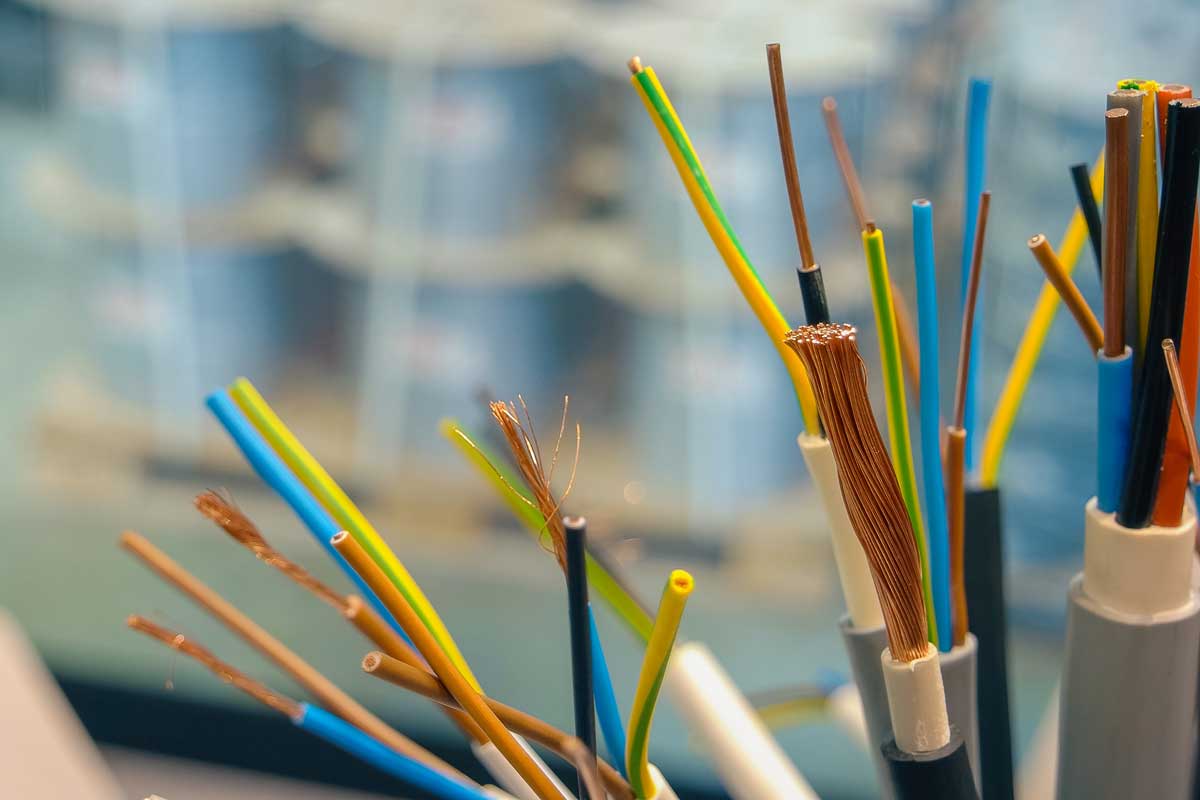
The cable contains insulated conductors along with a grounding conductor, all protected by an outer nonmetallic sheath. It is commonly installed inside walls and ceilings to supply outlets, switches, lighting, and other residential circuits.
One of the primary advantages of this method is its practicality. NM cable is relatively straightforward for qualified electricians to install in residential construction, particularly where wiring is concealed within finished walls.
It is the wiring most commonly used in new residential builds.
Conduit and Individual Conductors
Another wiring method involves running individual insulated conductors through conduit rather than using a single sheathed cable.
Conduit can be made from materials such as metal or PVC, depending on the application and applicable requirements. Wires are then pulled through the conduit to create the circuit.
This method adds mechanical protection and is commonly found in certain commercial, industrial, exposed, or specialized installations. It may also be used in residential areas where the wiring needs additional protection or where the installation method calls for conduit.
Because conduit systems can sometimes be modified or expanded more easily than concealed cable, they can be useful in applications where future changes are anticipated.
Armored Cable
Armored cable is another wiring method that homeowners may encounter, particularly in certain older or specialized installations.
Instead of relying on a nonmetallic outer jacket, armored cable uses a protective metal covering around the conductors. This provides physical protection when wiring may be exposed to potential impact or other damage.
The exact type of armored cable and its suitability depend on the installation and applicable electrical requirements. An electrician evaluating an older home may encounter armored wiring installed under standards that differ from today.
That does not automatically mean the wiring is unsafe. Its condition, installation, grounding, connections, and compatibility with the rest of the electrical system need consideration.
How Modern Wiring Compares With Older Electrical Systems
Many Minneapolis homes were built long before today’s electrical demands became standard. Older wiring systems can therefore look very different from the wiring installed in a newly constructed home.
Homes of different ages may contain wiring methods such as knob-and-tube wiring, older cloth-covered cable, aluminum branch-circuit wiring, or early forms of armored cable.
Some older systems were appropriate when they were installed but may no longer provide the same capabilities or protections expected of a modern electrical system.
For example, a house built decades ago may have been designed around a relatively small number of electrical loads. Today, the same home may need to support multiple televisions, computers, kitchen appliances, air-conditioning equipment, charging devices, home offices, and other high-demand equipment.
That does not mean every older home needs to be completely rewired. In many cases, an electrician can evaluate the existing system and determine which improvements, if any, are appropriate.
What About Daisy Chain Wiring?
Homeowners may also hear electricians describe circuits as being “daisy-chained.” This generally refers to devices such as receptacles being connected sequentially along a branch circuit rather than each outlet running directly back to the electrical panel.
Daisy chaining is a common wiring arrangement and is not inherently a problem when the circuit is properly designed and the connections are correctly made.
The important issue is how the connections are made and whether the circuit is appropriately sized for the electrical load.
For a more detailed explanation of how daisy chain wiring compares with other connection methods, see our article on daisy chain wiring.
The Importance of Proper Wiring Connections
Regardless of the wiring method used, the quality of the electrical connections is critical.
A circuit can contain high-quality wiring materials and still have problems if connections are loose, improperly secured, overloaded, or incorrectly configured.
Poor connections can create resistance and heat, which may damage components or increase the risk of electrical problems. That’s why electricians pay close attention to connections at receptacles, switches, junction boxes, panels, and other points throughout the system.
Proper connections also make troubleshooting easier and help ensure that electricity reaches the devices and fixtures that depend on the circuit.
Common Questions Homeowners Have About Modern Wiring
Does An Older Wiring System Automatically Need to Be Replaced?
No. A wiring system’s age does not determine whether it needs to be replaced. An electrician should consider its condition, type, grounding, modifications, capacity, and compliance with applicable requirements.
However, older wiring deserves closer attention, particularly if the home has experienced repeated electrical problems or significant renovations.
Can Modern Wiring be Added to an Older Home?
Yes. Modern wiring can often be installed as part of renovations, additions, electrical upgrades, or targeted repairs. The appropriate method depends on the structure, existing electrical system, circuit location, and project requirements.
In some situations, an electrician may recommend replacing only certain circuits rather than rewiring the entire home.
How Do I Know What Type of Wiring My House Has?
Some wiring can be identified by looking at an exposed section in an accessible area, but homeowners should not remove electrical devices or open electrical boxes to investigate wiring.
If you are unsure of your home’s wiring, a professional can inspect the electrical system and safely identify potential concerns.
When Should You Schedule a Home Wiring Inspection?
You do not necessarily need an electrical inspection every time you notice an older wire or unfamiliar wiring method. However, there are several situations where having a professional evaluate the system can provide valuable information.
Consider scheduling an inspection if:
- Your home has older electrical wiring.
- You frequently experience tripped breakers or blown fuses.
- Lights flicker when appliances turn on.
- Outlets or switches become warm or discolored.
- You notice buzzing, crackling, or unusual electrical smells.
- You are purchasing an older home.
- You are planning a major renovation.
- You are adding high-demand electrical equipment.
- Previous homeowners have completed extensive electrical modifications.
An inspection can help identify problems before they become more disruptive or expensive. It can also give you a clearer understanding of your home’s electrical capacity before you begin a renovation or add new equipment.
Get a Professional Home Wiring Evaluation
Whether you are concerned about older wiring, planning a renovation, or want a better understanding of your home’s electrical system, a professional evaluation can help you make informed decisions.
At Accredited Electric, our electrical service resources can help Minneapolis homeowners understand their residential electrical options and identify when professional assistance may be appropriate. Our residential electric services cover a range of electrical needs, from troubleshooting and repairs to wiring-related projects.
If you have questions about your home’s wiring or are experiencing electrical issues, contact us to request a home wiring evaluation.


